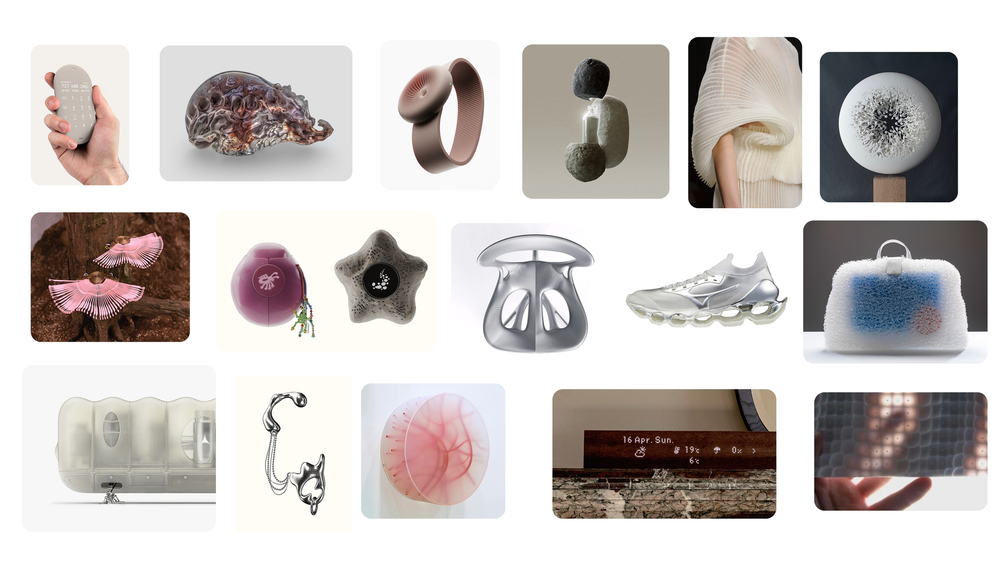
Deep Dive
Toward Maximum Well-being
The thesis behind Gentle Future. Five design principles for the shift from tools that do more to objects that know when to stop.


The thesis behind Gentle Future. Five design principles for the shift from tools that do more to objects that know when to stop.


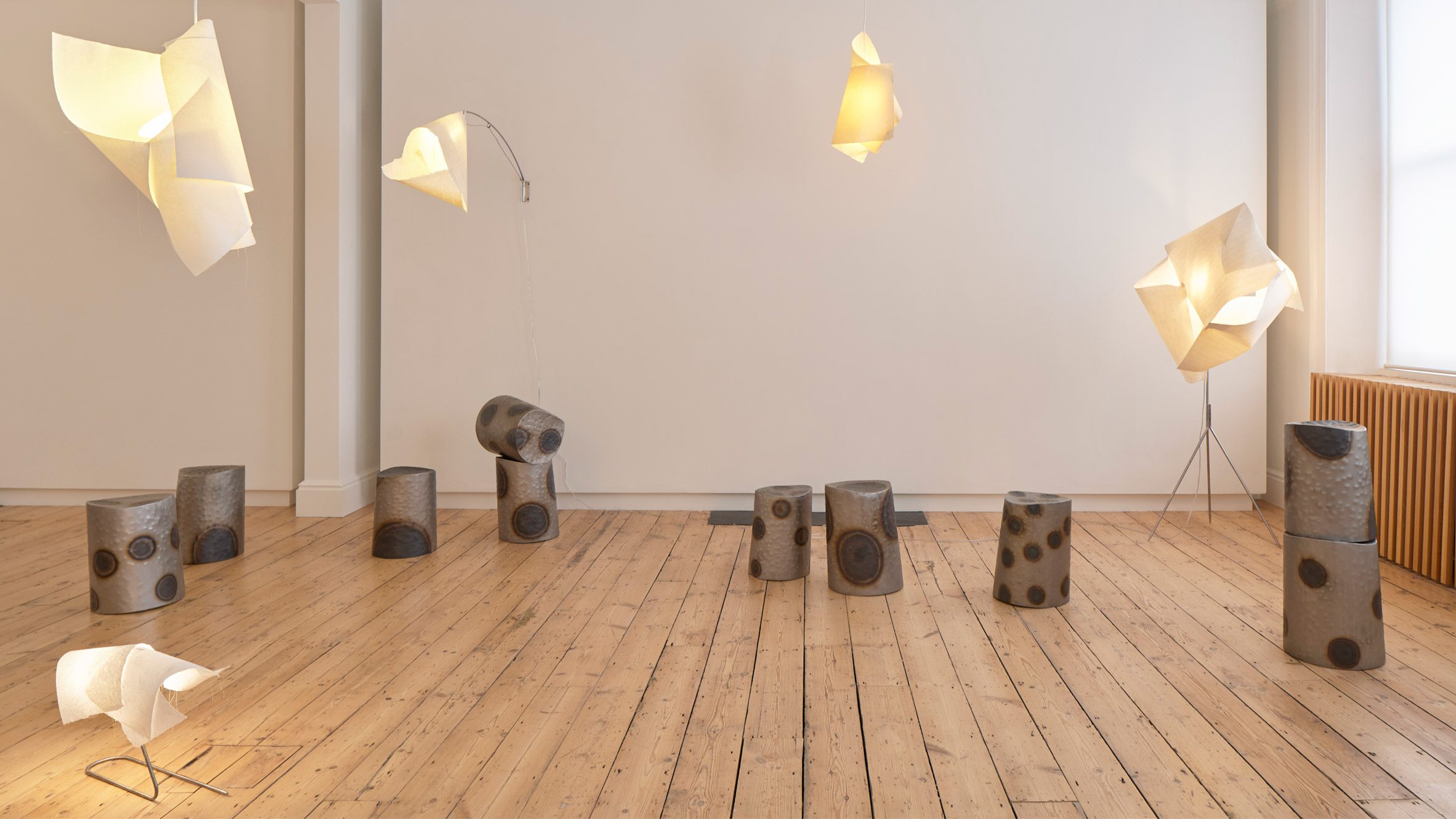
Handmade paper stitched into lampshades, and steel beaten thin enough to pass for it. The marks left by the hammer used to get sanded away; this time they are the pattern.
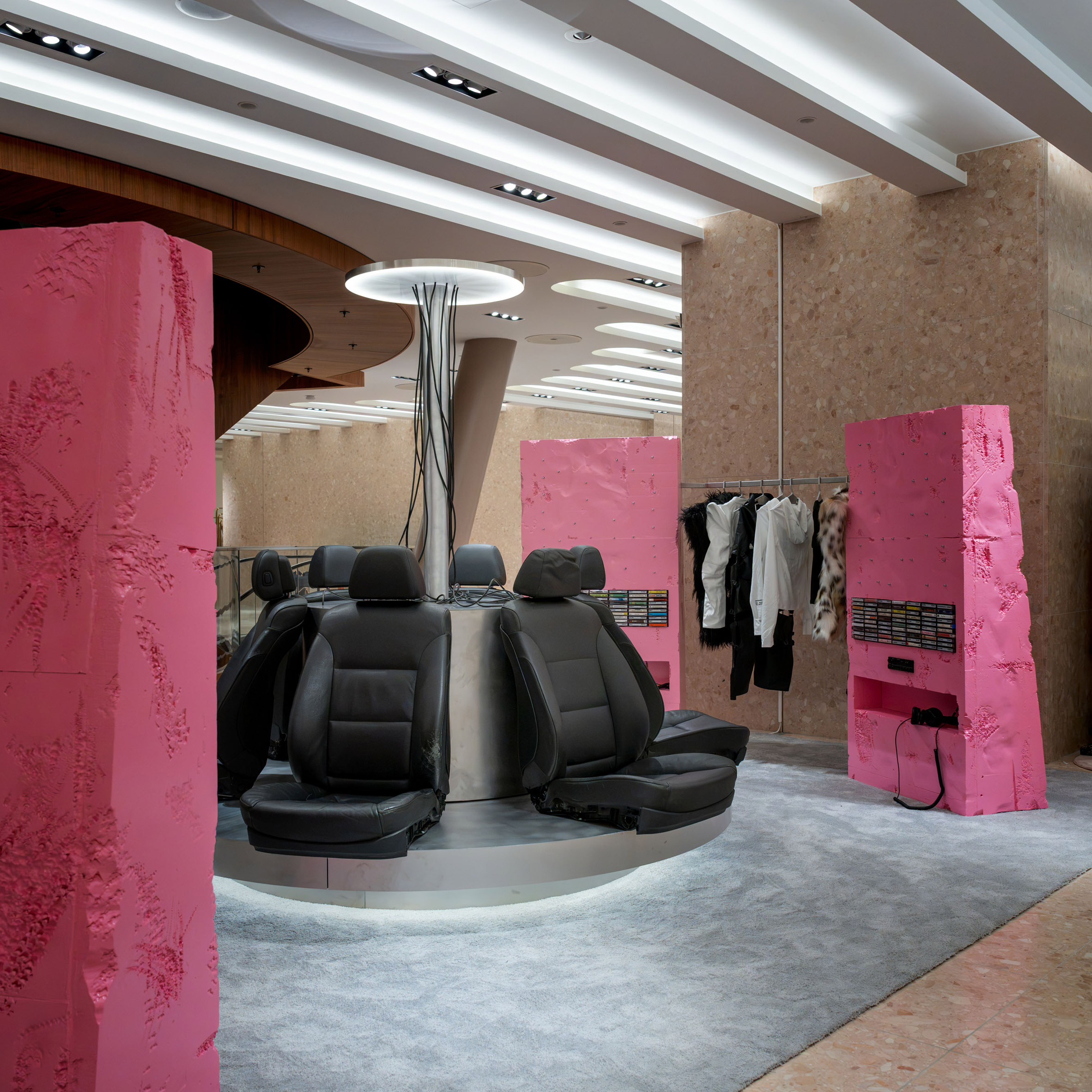
A department store is designed to keep you moving through it. Yont Studio put six car seats and a wall of cassettes on the second floor of KaDeWe and asked Berliners to sit still.
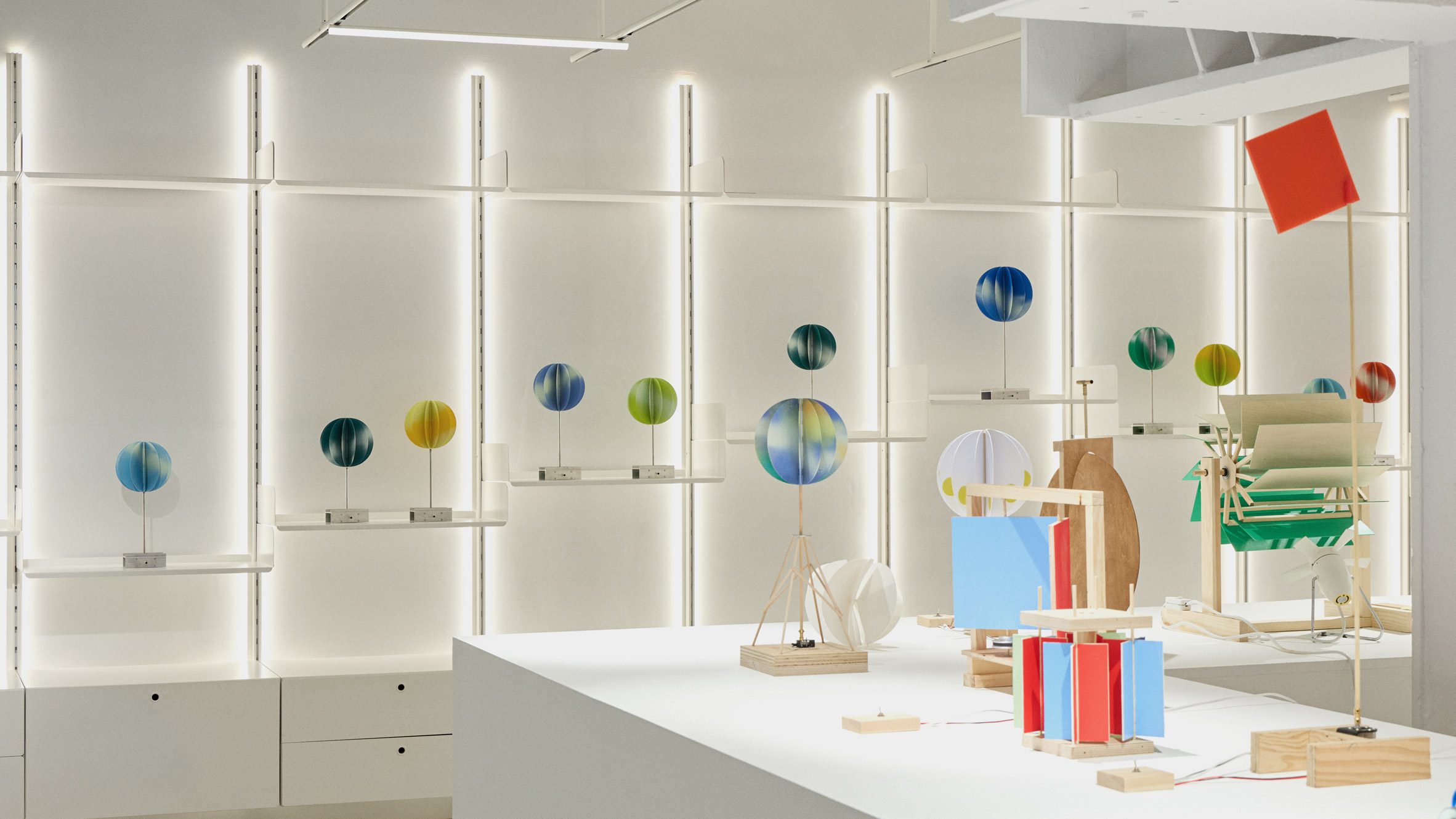
A decade of working models, shown as the finished exhibition. Underneath it sits a claim worth borrowing: how an object moves is a personality trait, and somebody has to decide it.

A petition is already circulating asking Weber for one last firmware update, the kind that would let owners keep the thing running themselves. The capability never got harder to build. It just got cheap enough that nobody bothers to protect it.
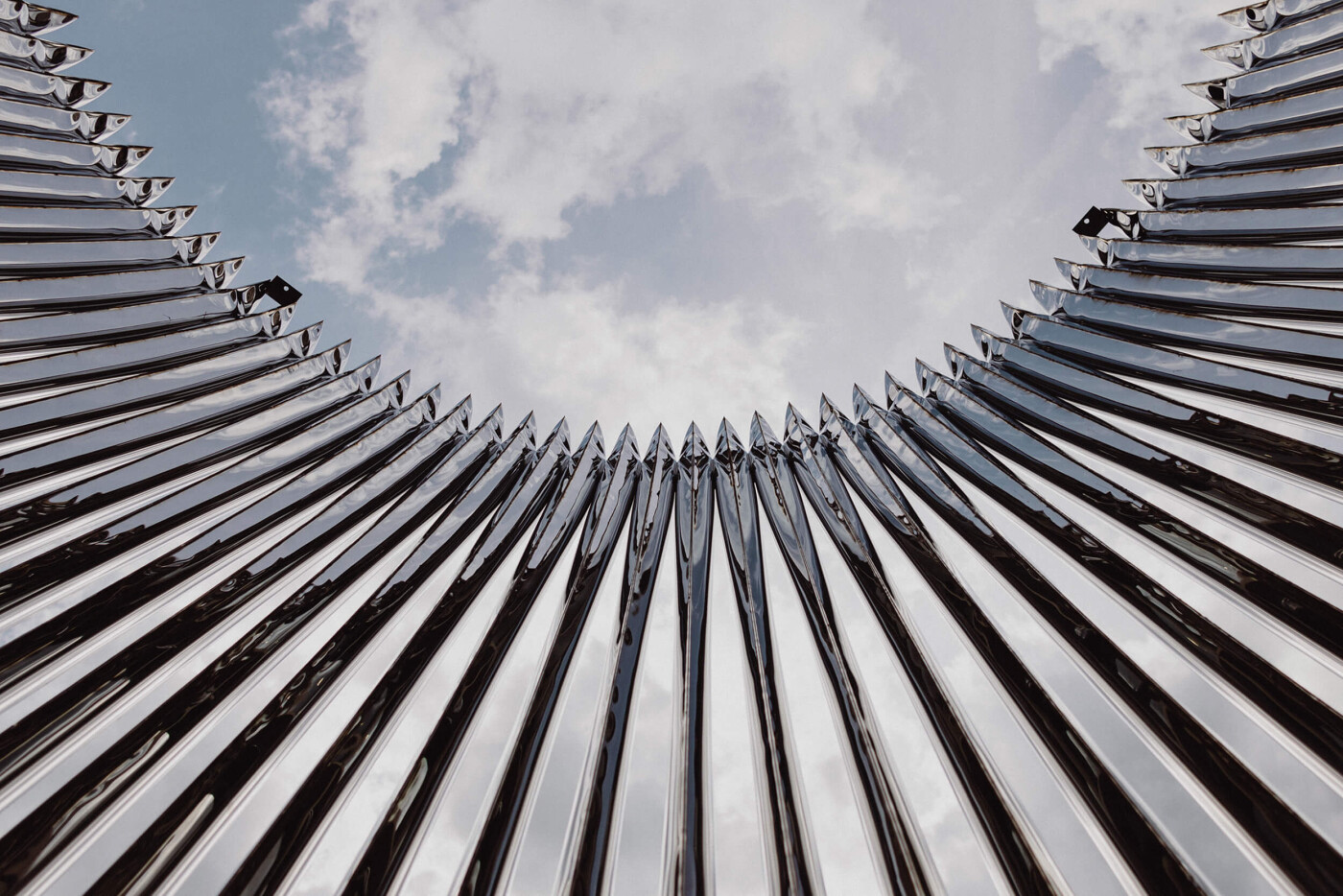
Oskar Zieta welds two flat sheets of steel along the edges, then pumps air in until they swell into a solid. A crowd in the City of London settled the final shape, and the studio cannot make that one twice.
)
Reclaimed timber is normally filled and sanded until nobody can tell where it came from. One London studio plugs the old fixing holes with dowels and points at them instead.

For five days a Victorian pumping hall becomes a listening room. It turns out the buildings that outlast their purpose are the ones built heaviest with it.

Carwardine modelled the arm on the constant tension inside a human joint, and nobody has improved on it in ninety-one years. The lamp ships with a lifetime guarantee, which is a strange promise to make unless you mean it.
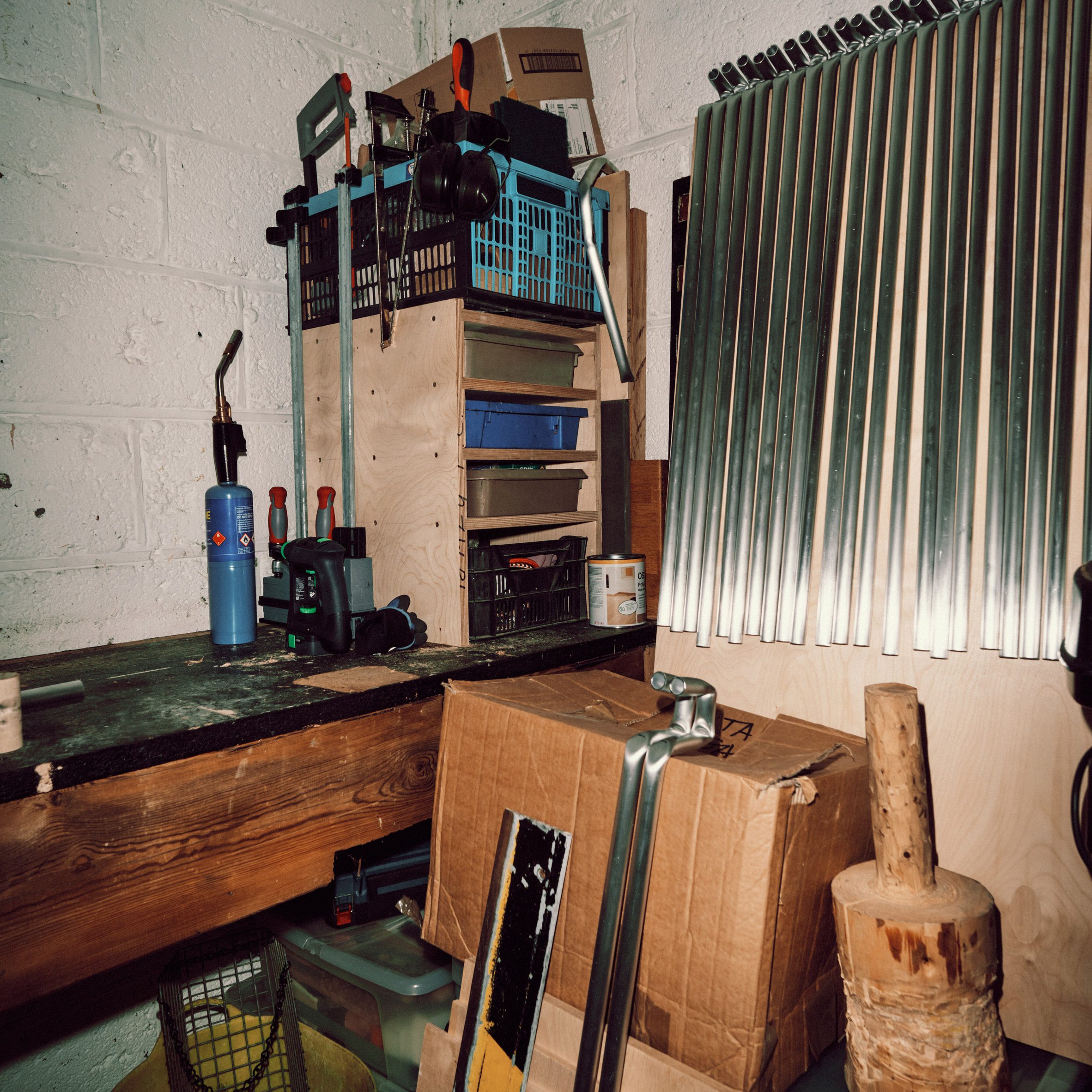
Two London Design Festival shows, one from first-year students and one from working designers, land on the same rule: give people less and the objects come out sharper. A whole flat of evidence opens Saturday.

A serious AI lab spent its hardware budget on balance, a beak, and a get-back-up reflex. Five days later it had more orders than it can ship by Christmas.
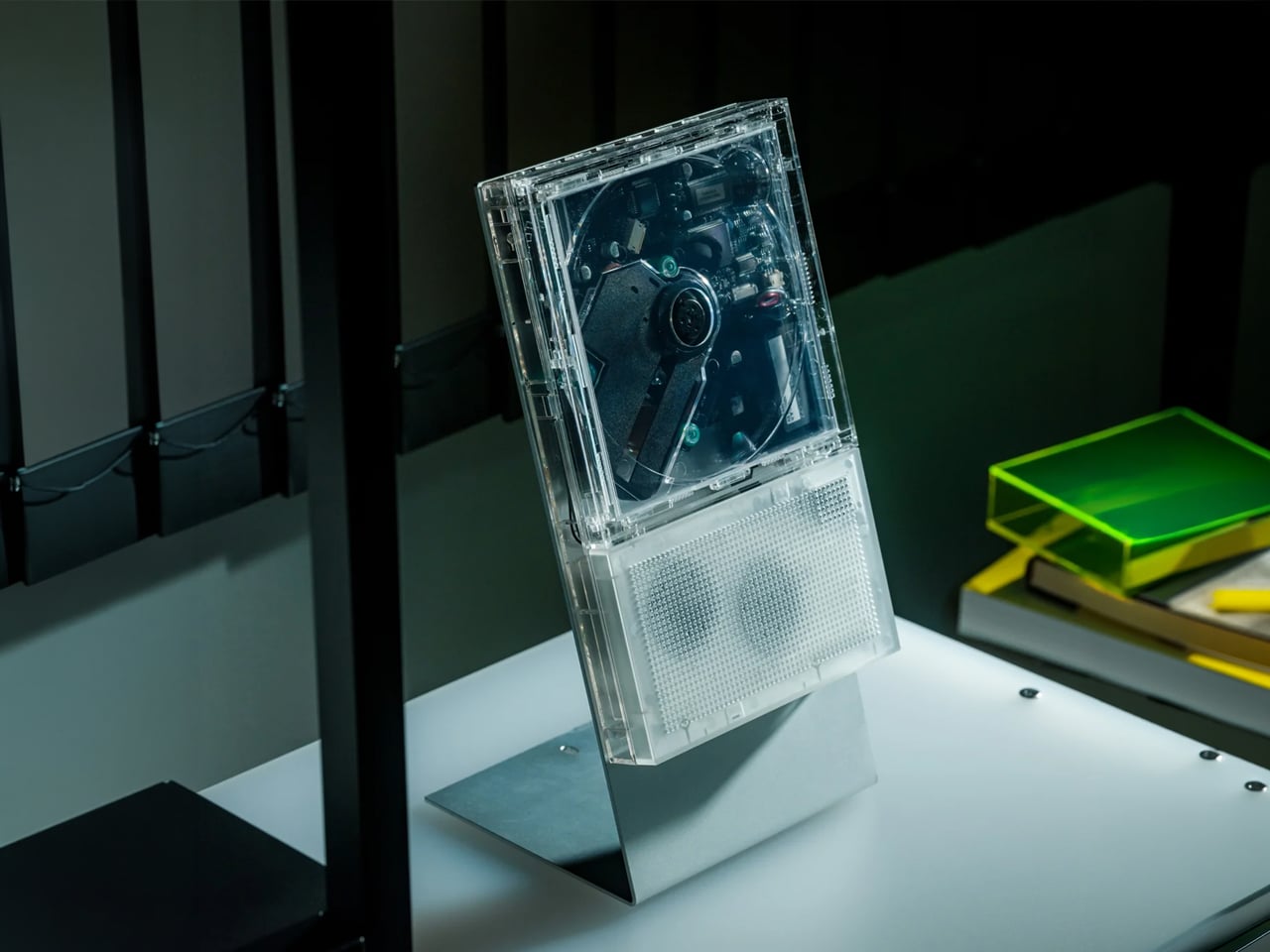
Nothing inside the ClearFrame is new; the transparent shell is the whole product. Why a see-through case makes a machine feel trustworthy, and what that says about everything sealed on your desk.

Bandai's anniversary move was to take parts away: 116 down to 64, and the whole thing onto a finger. Three decades in, the appeal is still that it needs you.

