The Moon Is Always Doing Something. Now There Is a Device for Noticing.
A circular screen, an ESP32, and a German maker's own photograph of the moon as the texture map. The choice most builders would skip is the one that gives the object its weight.
Atsuhiko Misawa and Koji Tanada share KAAT's first-ever sculpture show, carving deer and children from single blocks of camphor wood. The technique is older than most countries. The argument is current.
Delcy Morelos hand-built an earthen pavilion the length of a basketball court inside the Barbican's concrete Sculpture Court. The walls are clay, hay, and antifungal spice, made to live and breathe through the summer.
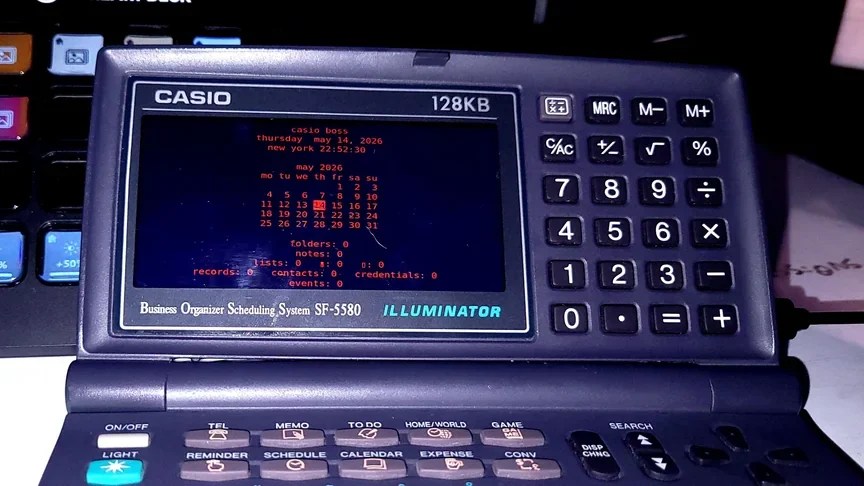
Two e-ink screens, a hinge, and six centuries of book design. Diptyx is an open-source reader that closes like a codex and needs no account, no cloud, no case.
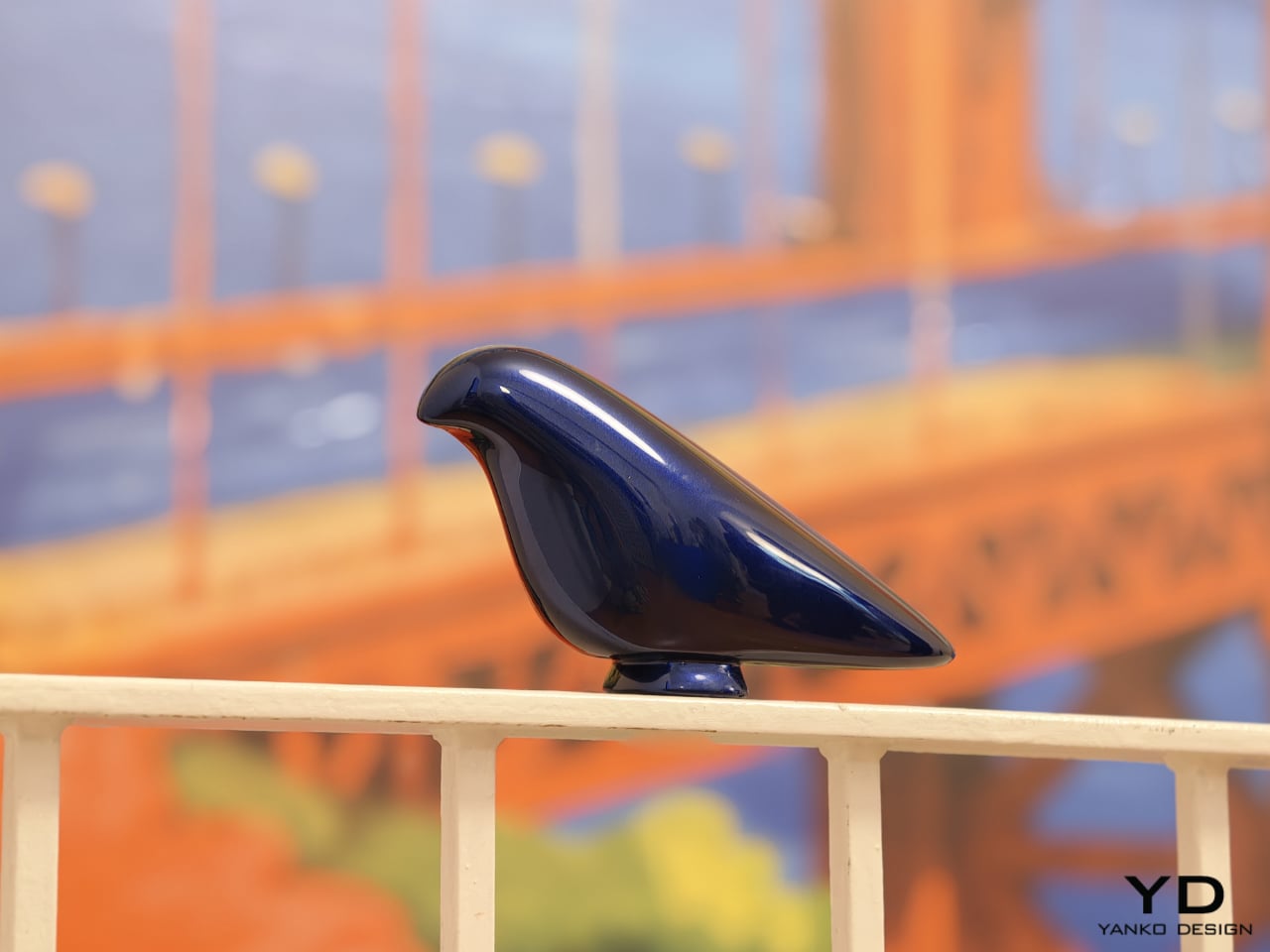
Sterling silver yo-yos, stone dice, a toad-shaped ring toss. Georg Jensen's new games collection treats dents and scratches as proof of life, not damage.
At Columbia's 2026 MFA thesis show, an artist from the Iyarhe Nakoda Nation lists "my ancestor's stories" as a material, equal to wood and ribbon. The room fills with sound that knows where you are sitting, and refuses to be louder than that.
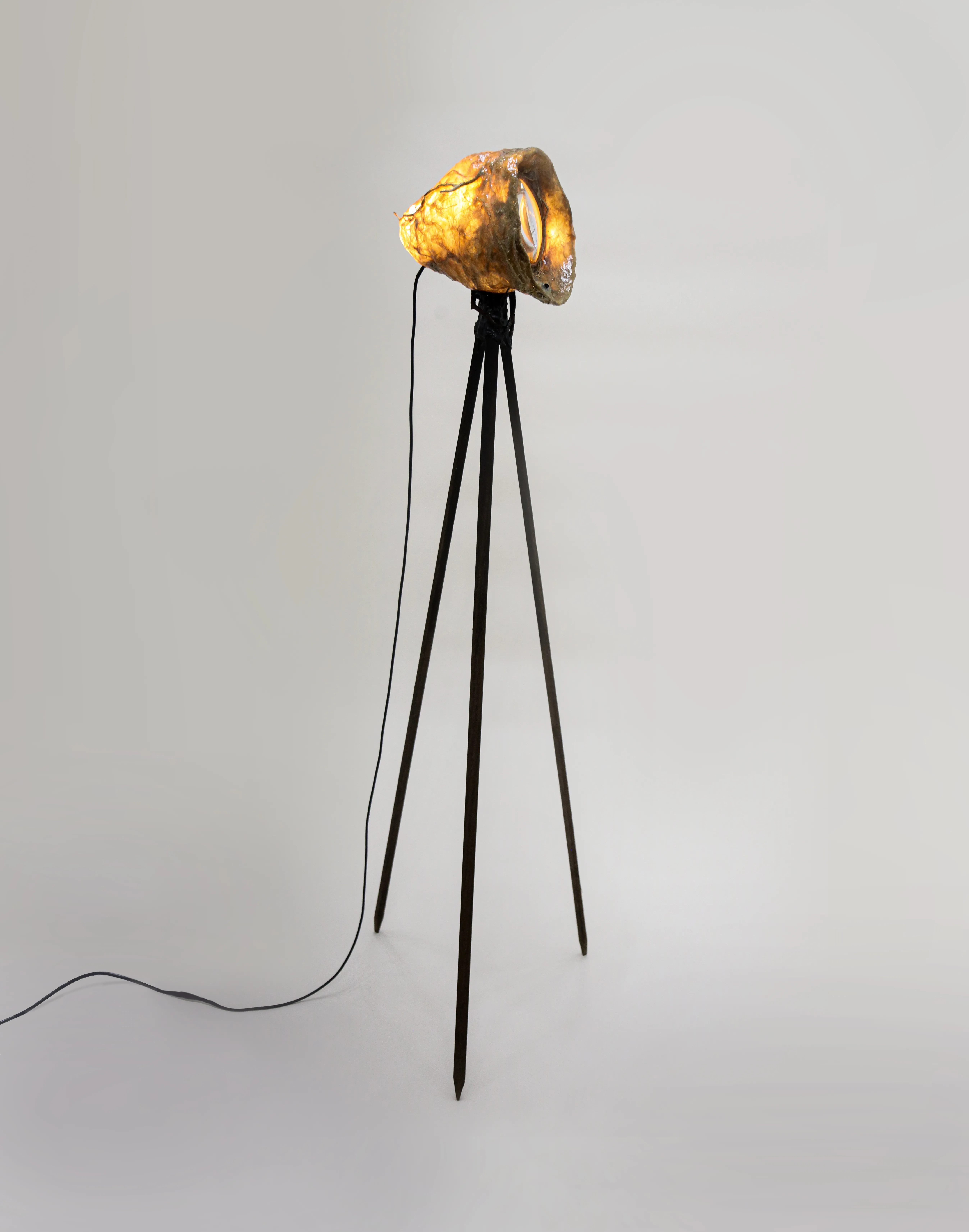
Cooper Hewitt award winners Che-Wei Wang and Taylor Levy made a bedside lamp for SHINE, the seventy-designer lighting survey curated by Harry Allen. When calm-tech makers turn to the bedroom, the bedroom changes.
The artist designed the gallery layout himself, as a circular mandala mirroring the Five Elements. Then he set 14 fossils from his personal collection inside it.
A 6.5-meter tangle of horns and spinning mobiles sits in a Sydney walkway, and the only way to make it sing is with your body. Two see-saws and a row of faders turn whoever walks past into the orchestra.
Spanish artist Javier Riera spends months shaping geometries pulled from shells and honeycombs, then projects them onto a Sydney landmark until the stone seems to reveal a pattern it was hiding all along. Light handled as a tool for noticing, at the scale of a building.
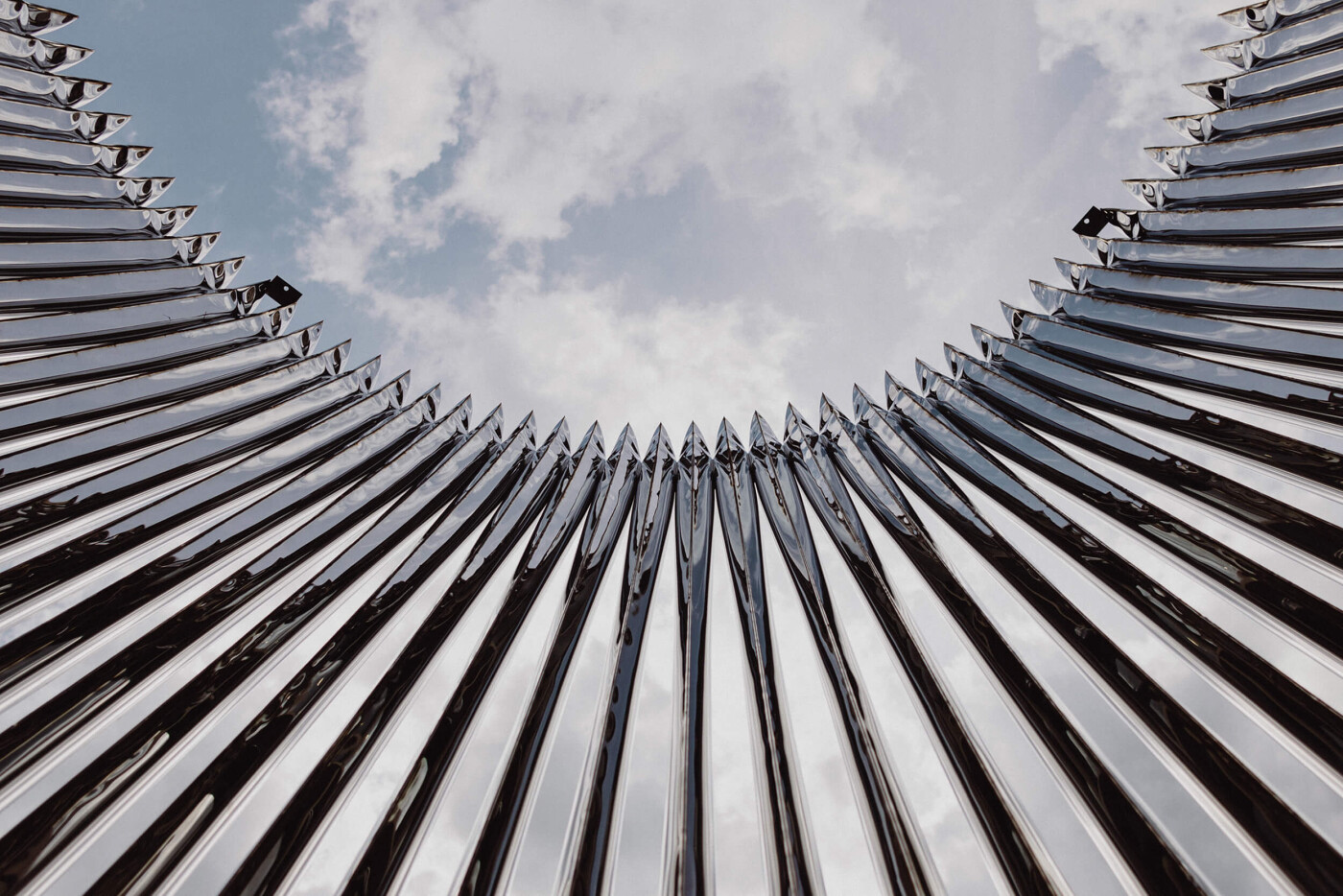
Designer Koji Notomi went to a fish market, bought a herring, and dissected it by hand. The skeleton became the grille of a Yamaha amp, and the etymology of a pattern you have seen a thousand times suddenly snaps into focus.
Andrius Arutiunian's 'Obol' stages a futuristic afterlife in bitumen, silver coins, and synthetic choir, drawing on Greek funeral rites and underground rave aesthetics in equal measure. Five days left to catch the strangest argument for ritual technology in Tokyo this spring.