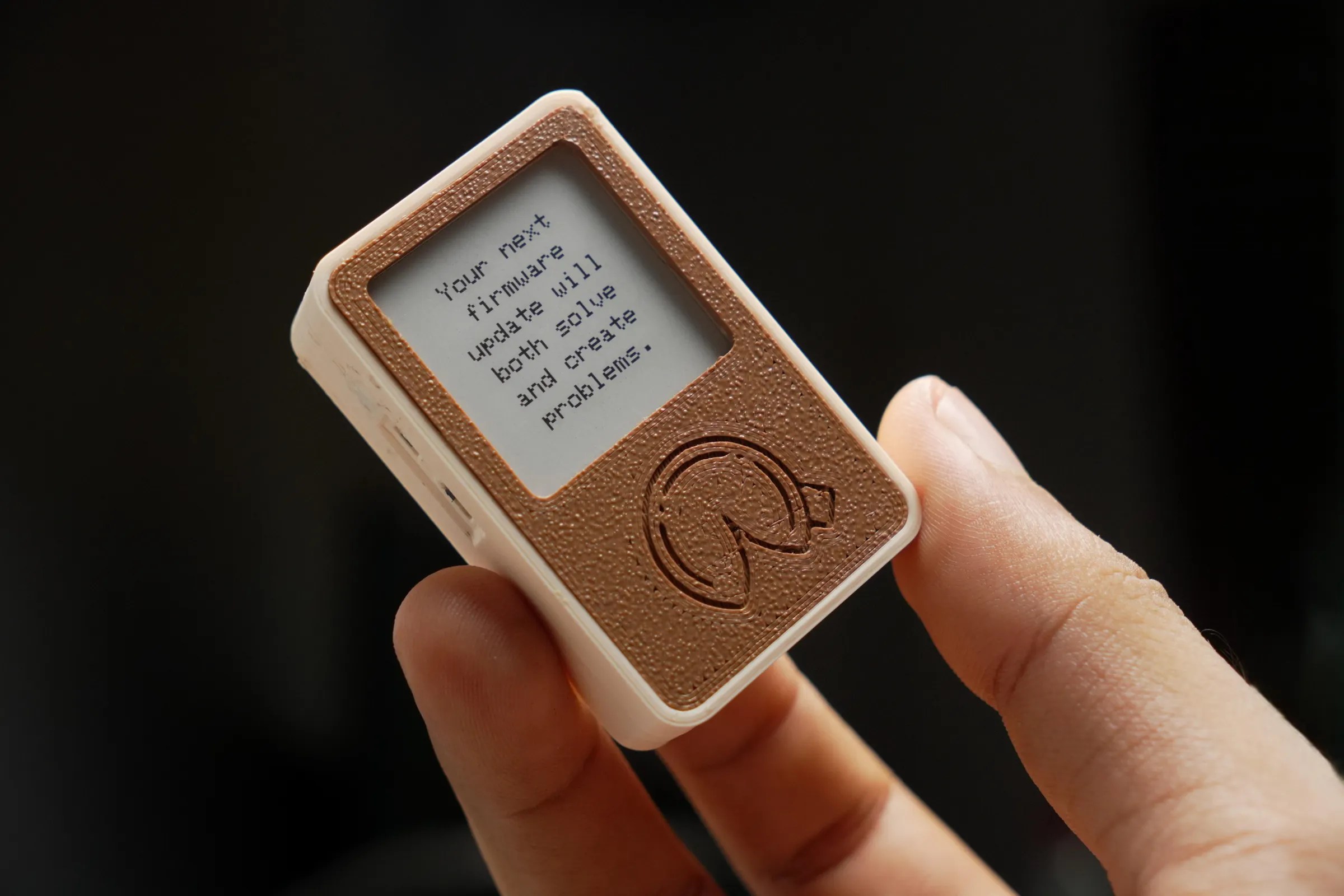
A Fortune Cookie You Shake Instead of Break
Three thousand answers, sealed on the board at build time, with no way to add a three-thousand-and-first. The ceiling is the design.
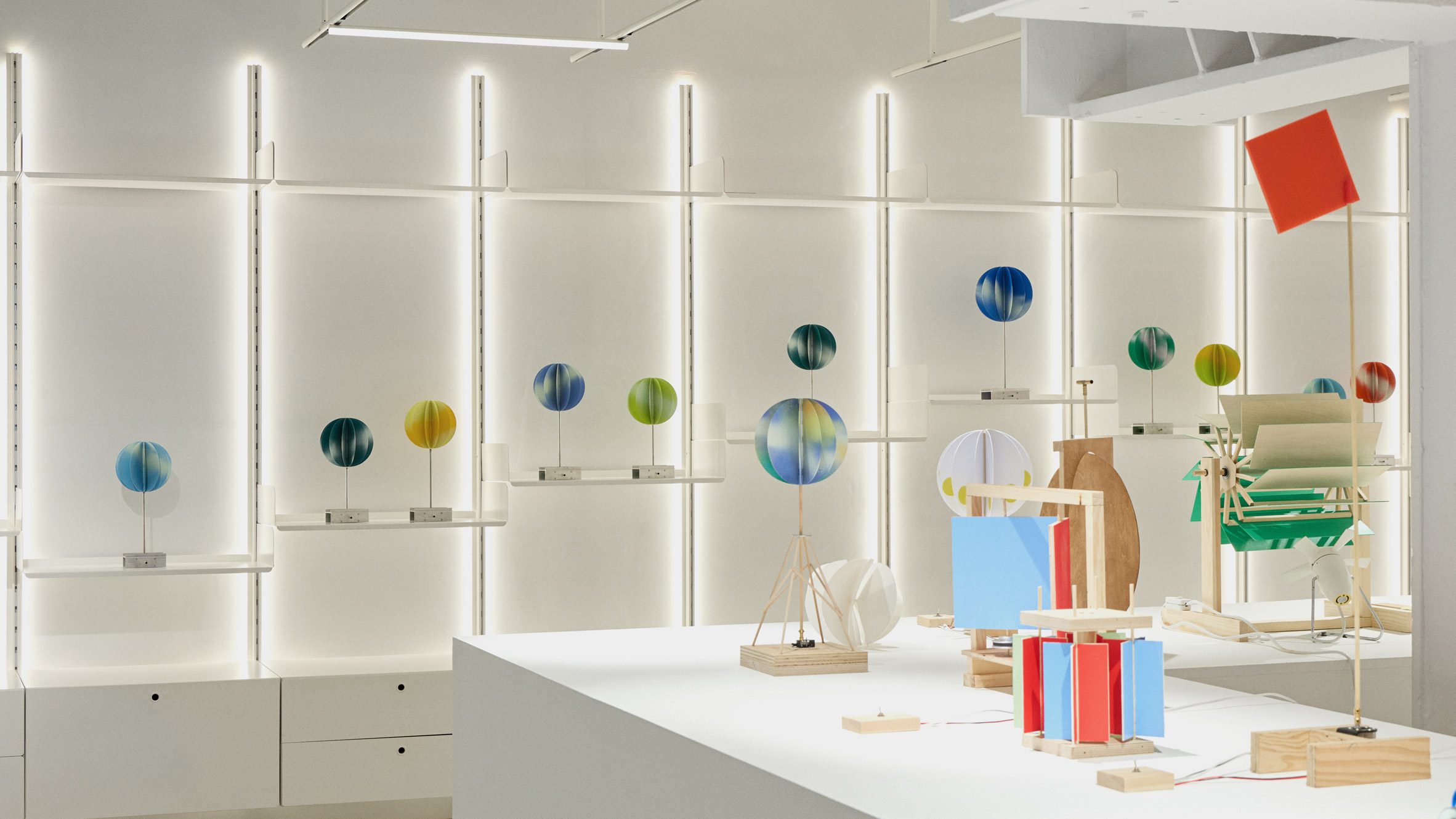
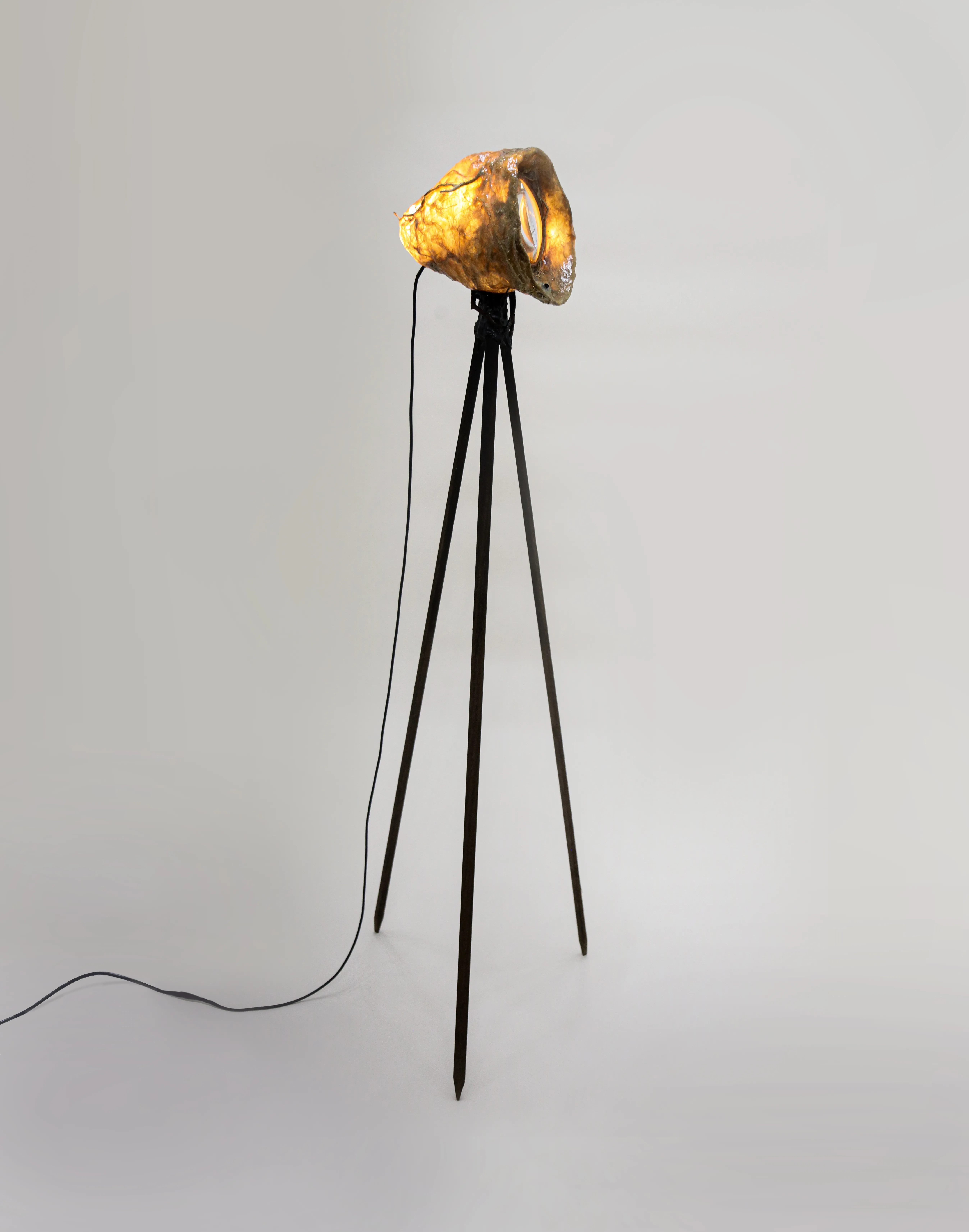
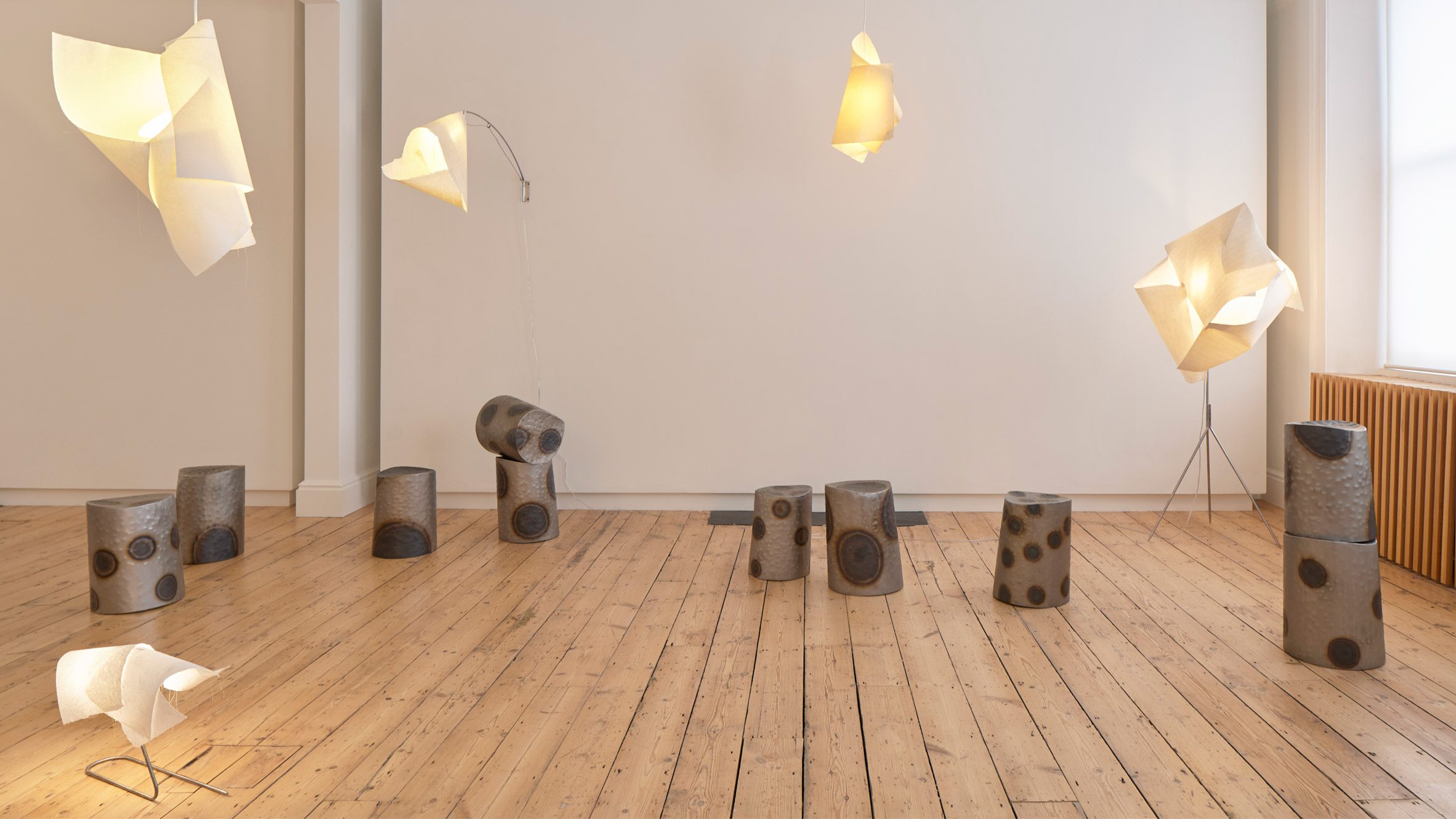
Sabrina Merayo Nuñez grows lamps from algae and medieval paint recipes. They pulse when you walk up to them.
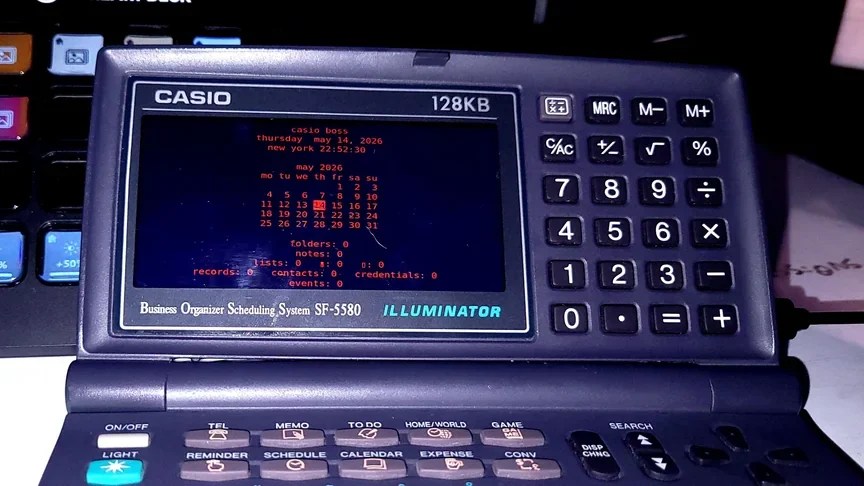
A modder took a 1995 Casio day planner and rebuilt the entire inside while leaving the outside untouched. The instinct here is the opposite of the cyberdeck: don't invent a new form for the silicon, find one that already knows what it wants to be.
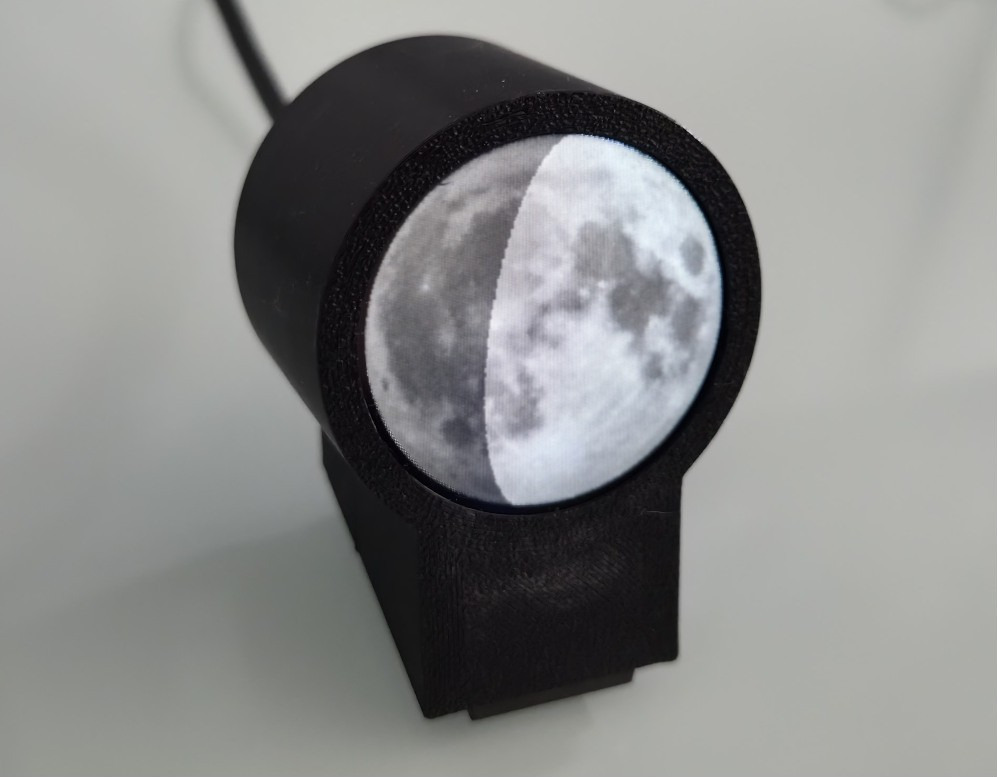
A circular screen, an ESP32, and a German maker's own photograph of the moon as the texture map. The choice most builders would skip is the one that gives the object its weight.
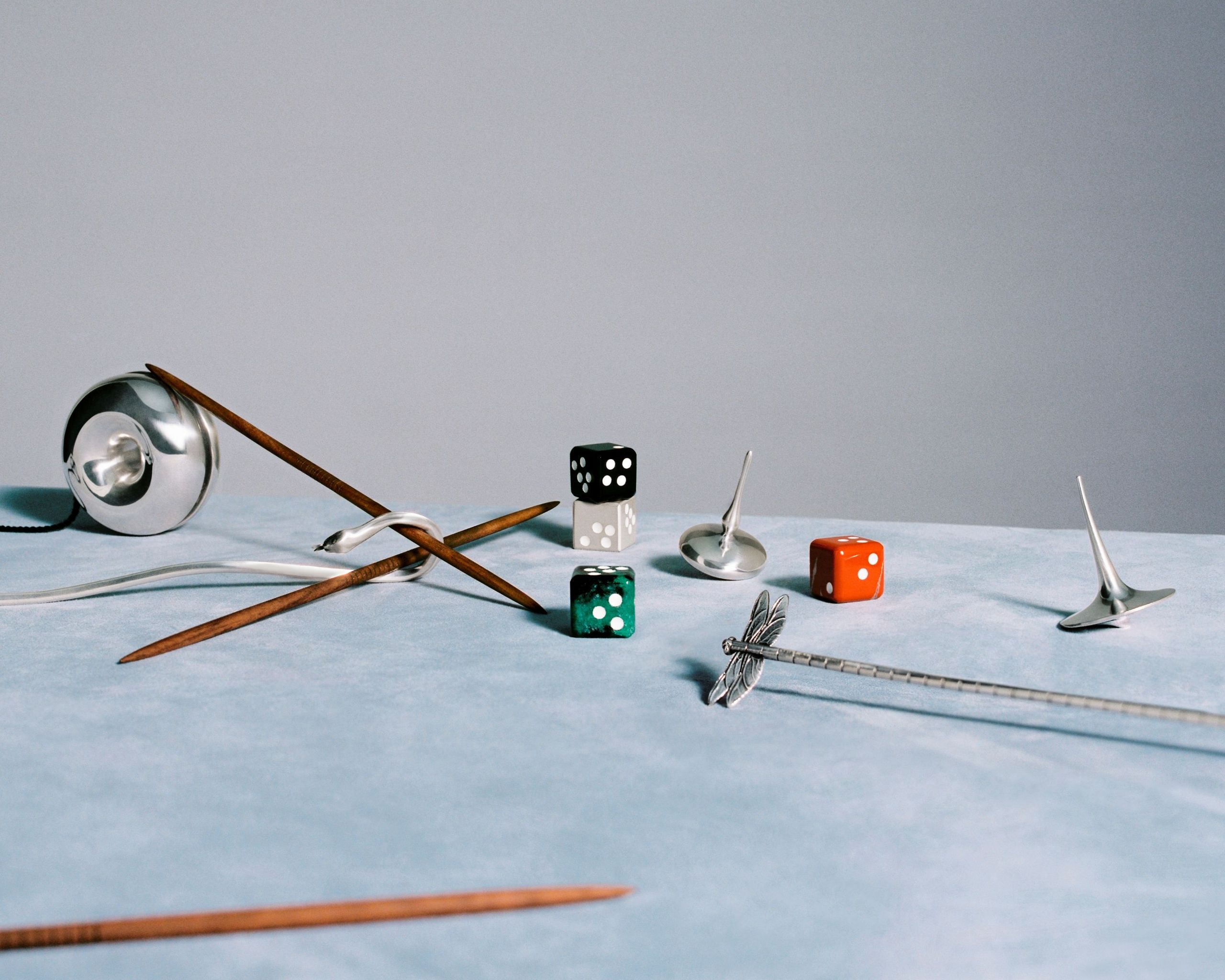
Sterling silver yo-yos, stone dice, a toad-shaped ring toss. Georg Jensen's new games collection treats dents and scratches as proof of life, not damage.
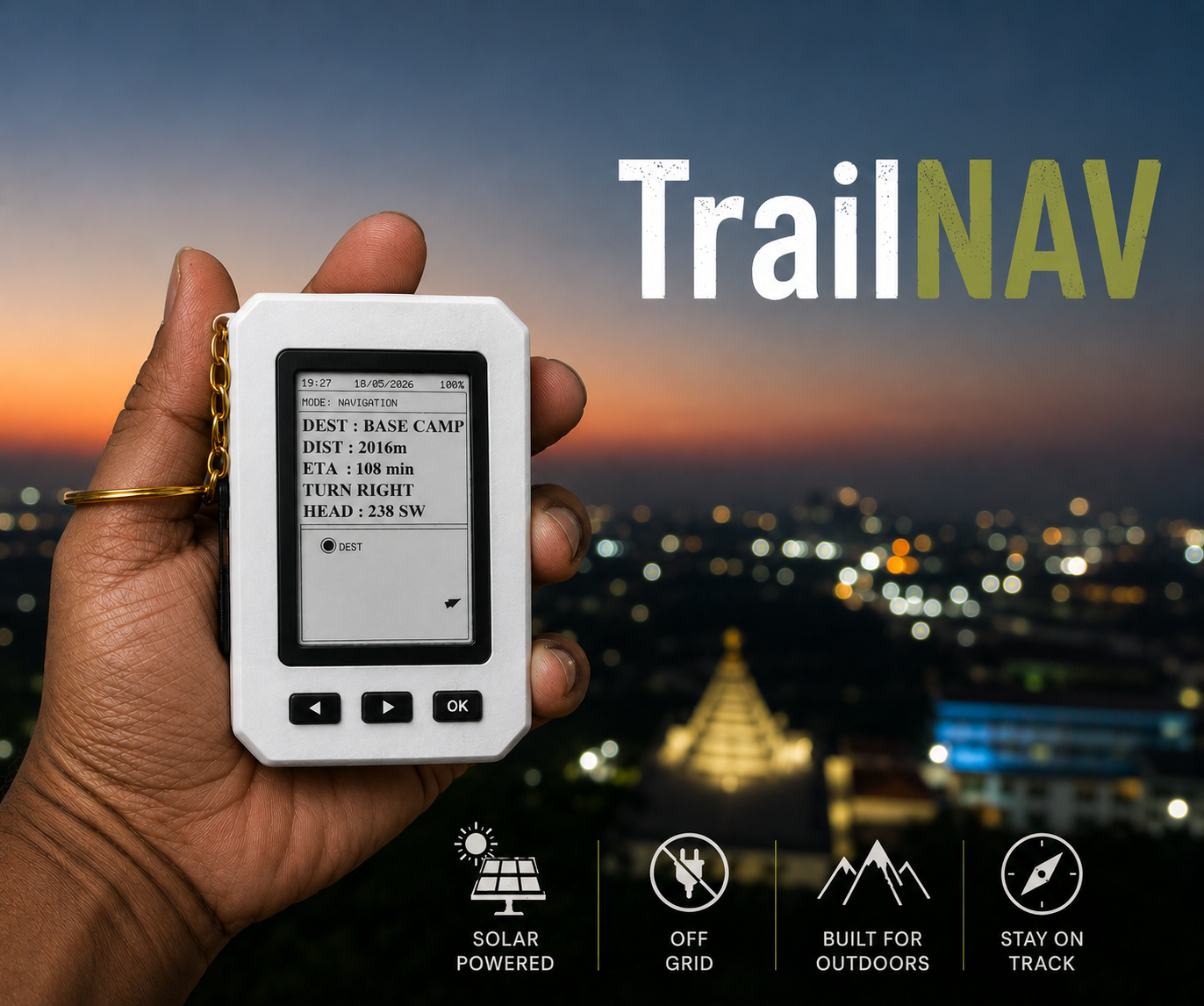
A solar-powered, e-ink GPS compass that does exactly one thing: points you home. No app, no cell signal, no charger. Built with a XIAO ESP32-C6 and published as open hardware.
A solar-powered e-ink navigator built on an ESP32. It points you home and runs for days. No signal, no charger, no map app.
Two e-ink screens, a hinge, and zero cloud dependencies. Diptyx built an open-source reader shaped like the thing it replaced.
A Raspberry Pi inside, a lab voltmeter outside, and a single needle that swings to tell you the hour. The cost of one needle is patience. Maybe that is the feature.
A $15 ESP32 dev board, a cheap yellow display, and a piece of code where every fish has its own personality. The result lives on your desk and lets you tap to feed it.
A maker has shipped a PCB die that tracks streaks, develops moods, and quietly nudges future results to amplify your luck or your suffering. Each one has its own personality.
When Bose pulled the plug on SoundTouch, six preset buttons went dark across thousands of speakers. One maker's $5 ESP32 quietly impersonates the dead service, and the speaker is none the wiser.