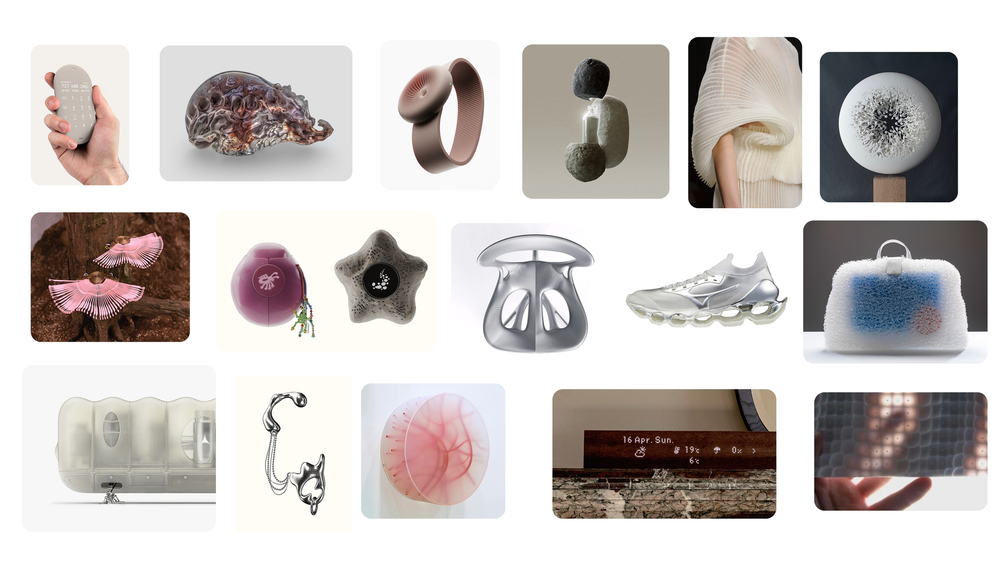
Deep Dive
Toward Maximum Well-being
The thesis behind Gentle Future. Five design principles for the shift from tools that do more to objects that know when to stop.

The thesis behind Gentle Future. Five design principles for the shift from tools that do more to objects that know when to stop.


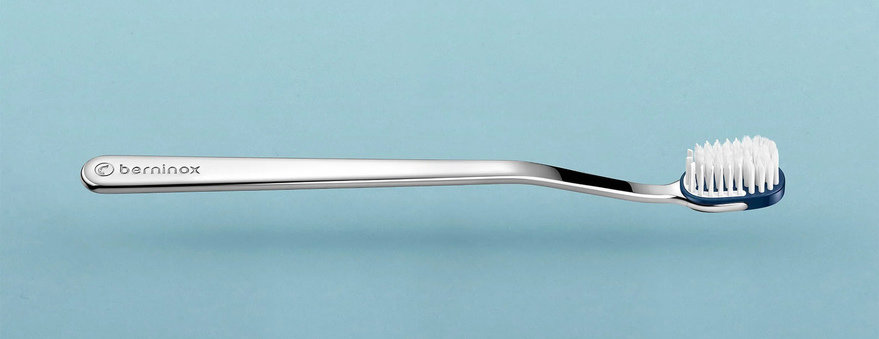
Thirty-six dollars buys the part that lasts. Fourteen buys three of the part that wears out. A Swiss designer decided in advance which was which.
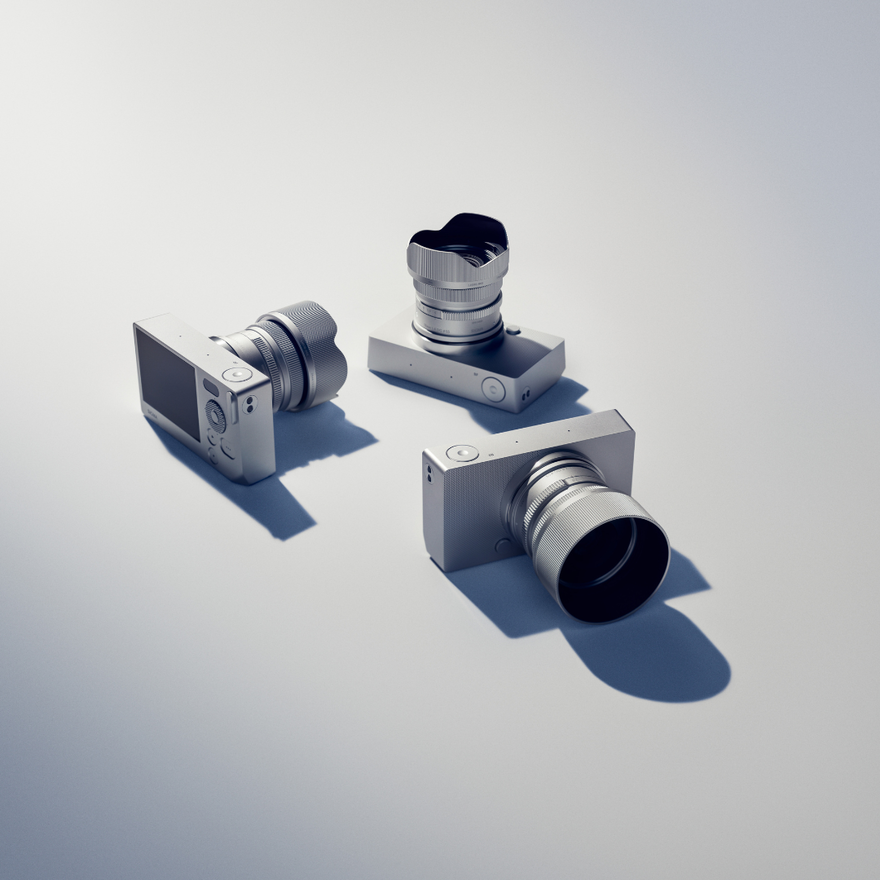
Adding a button is cheap. Taking one away cost Sigma a redesign, a supply chain decision, and seven hours of machine time per camera body.
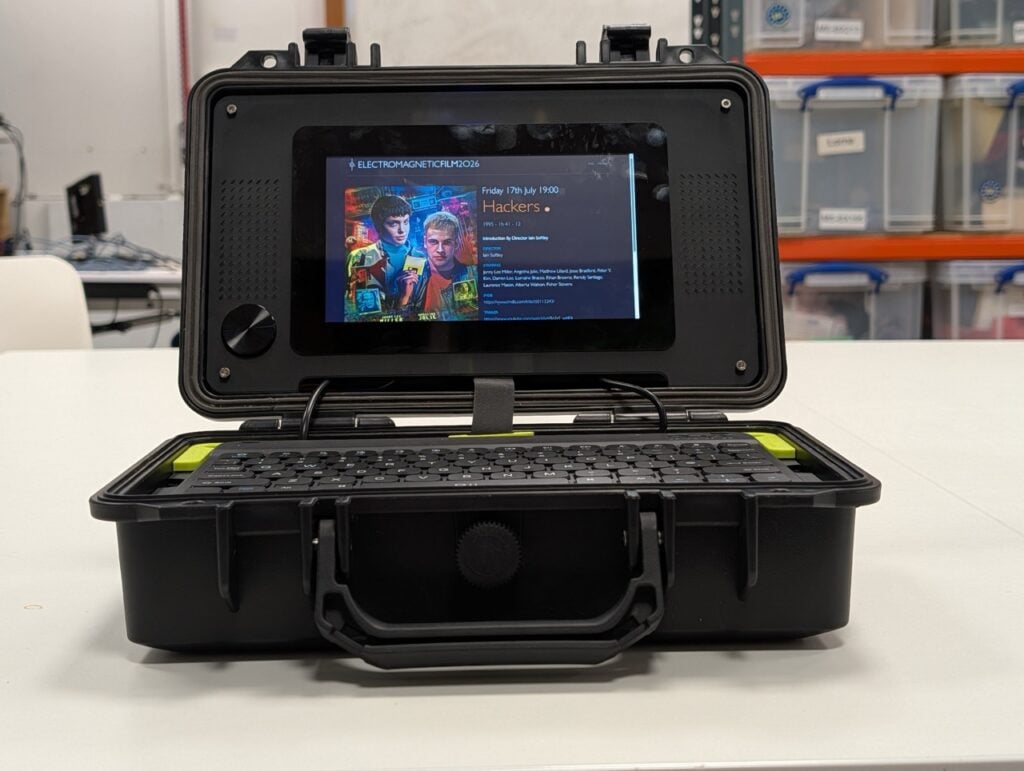
The first construction step is cardboard. The most important decision, according to the company that sells the chip, is which box you put it in.

E-paper spent twenty years stuck at page-turn speed. A Boston open-hardware company just got it to keyboard speed and published every file so anyone can check the work.
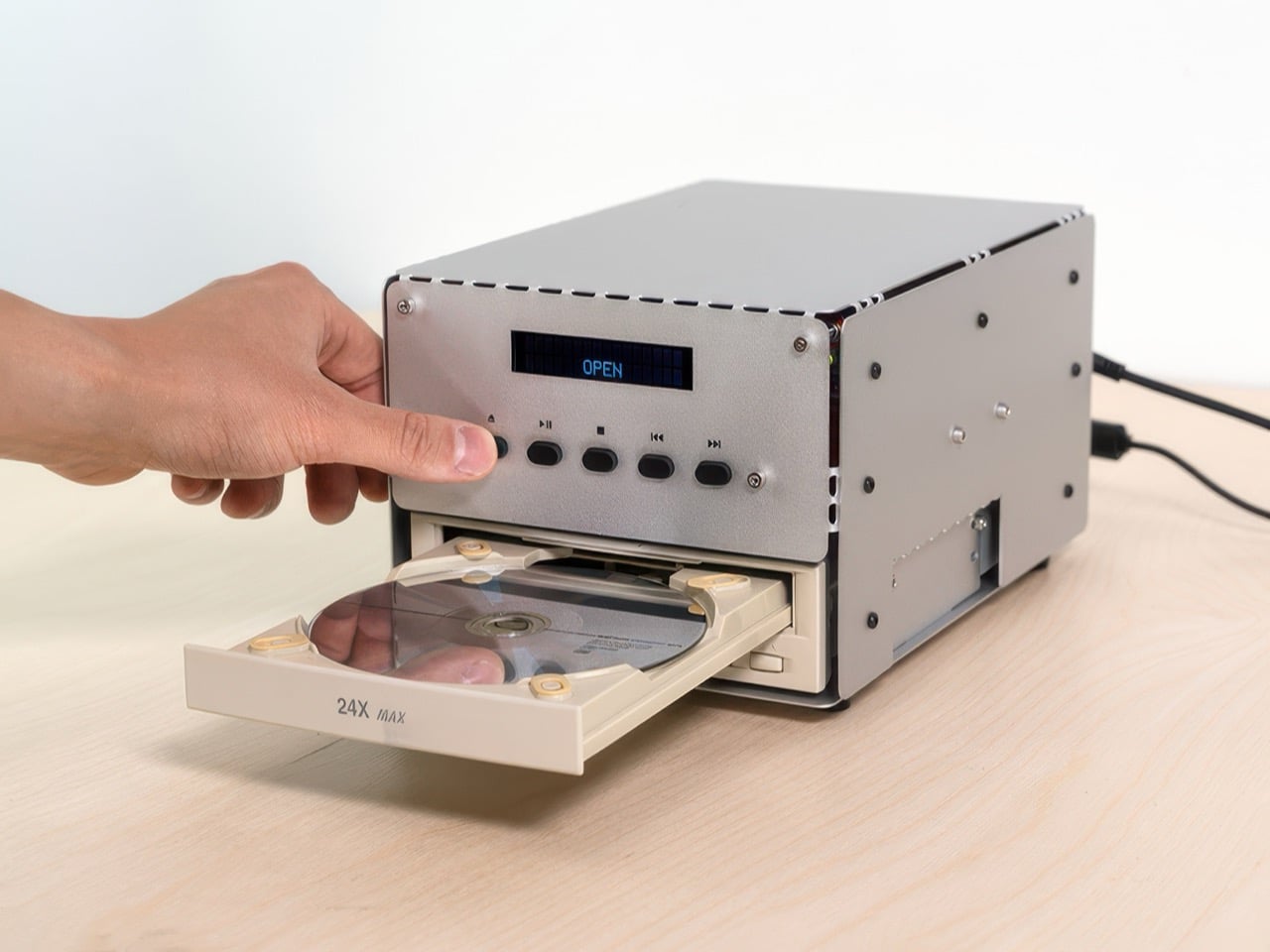
The most important component in this kit is one you have to go find yourself. It stopped being manufactured about fifteen years ago, and that is the whole point.
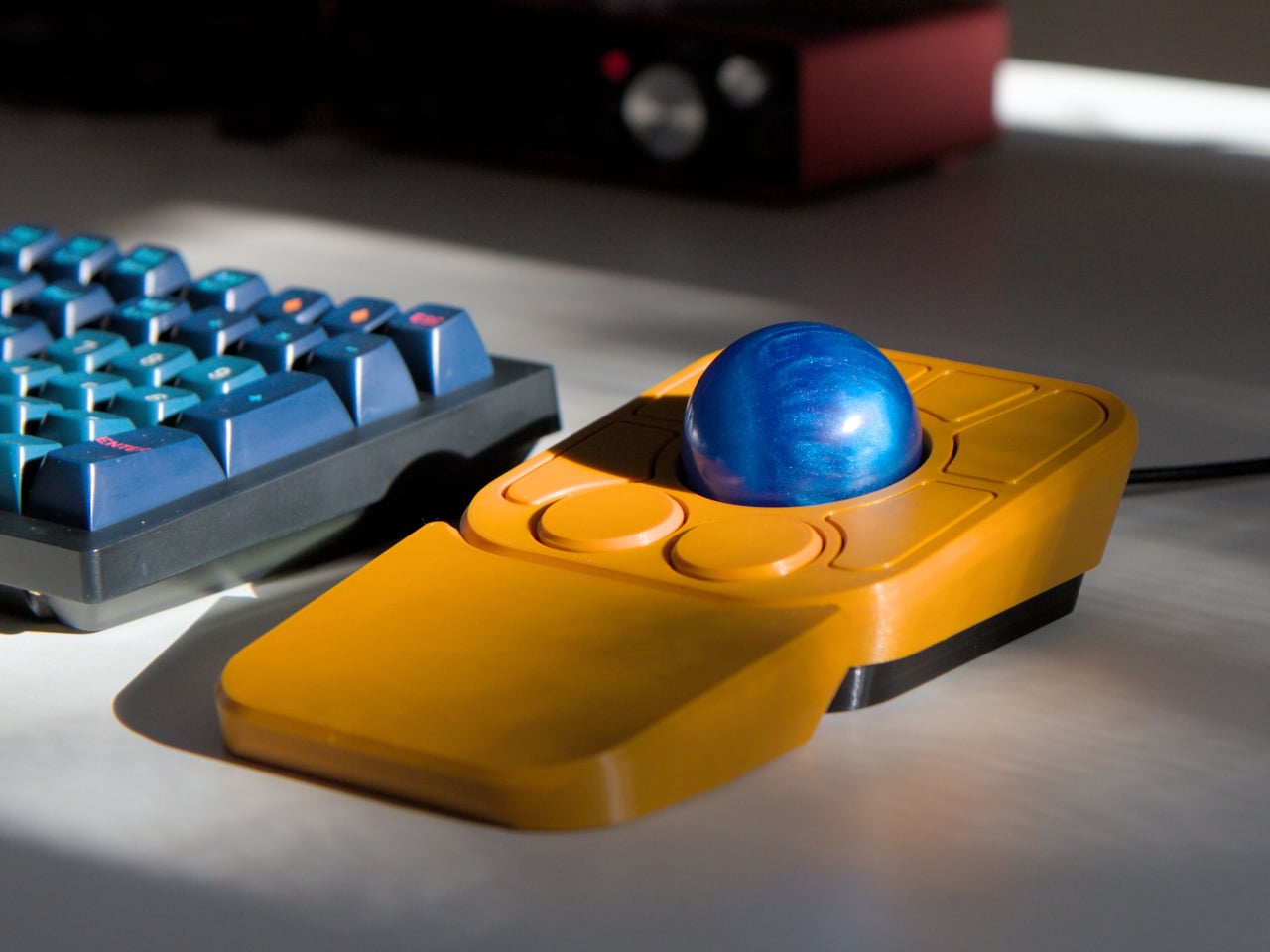
Ploopy's old board had solder pads for two switches that never shipped, and a base with slots for a wrist rest nobody ever made. The A+ is what happens when a maker goes back and finishes the sentence.
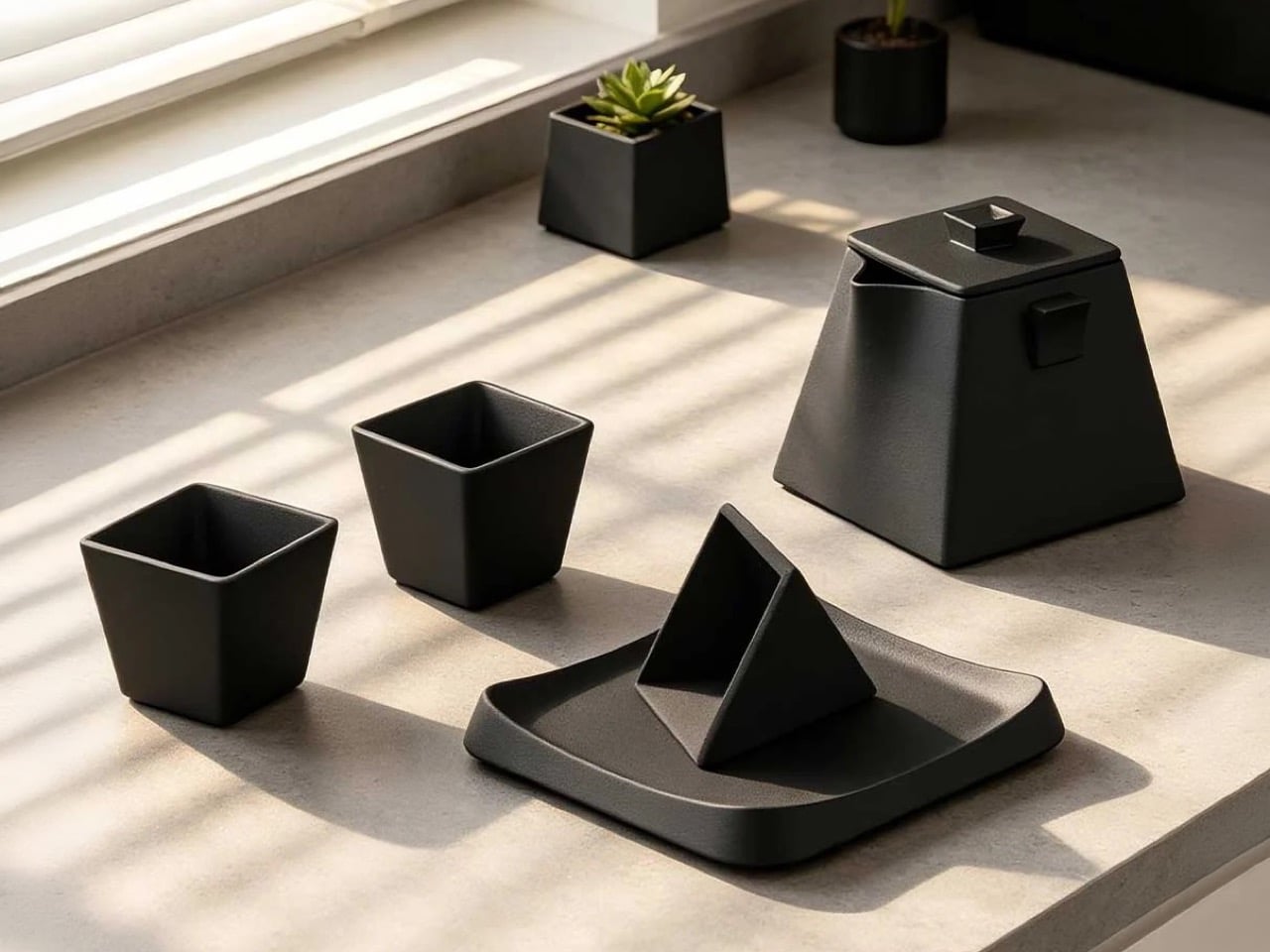
A sintered mineral filter handles both pour-over and gongfu tea, and nothing in the set wears out. The sharp edges are doing real work.
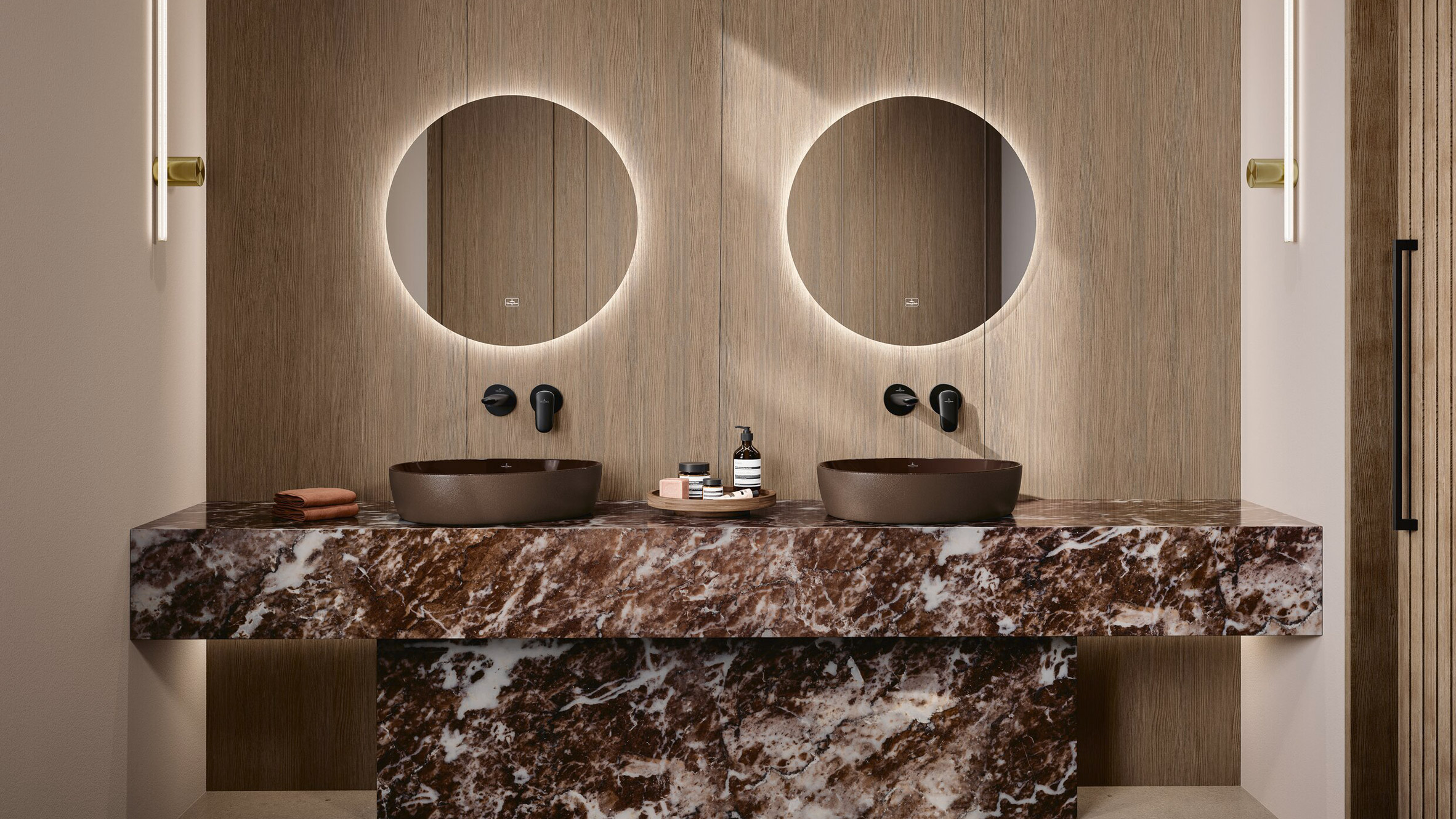
Precision engineering, deployed to protect imperfection. Villeroy & Boch's glazing lab spent its effort making the human touch reproducible at factory scale.
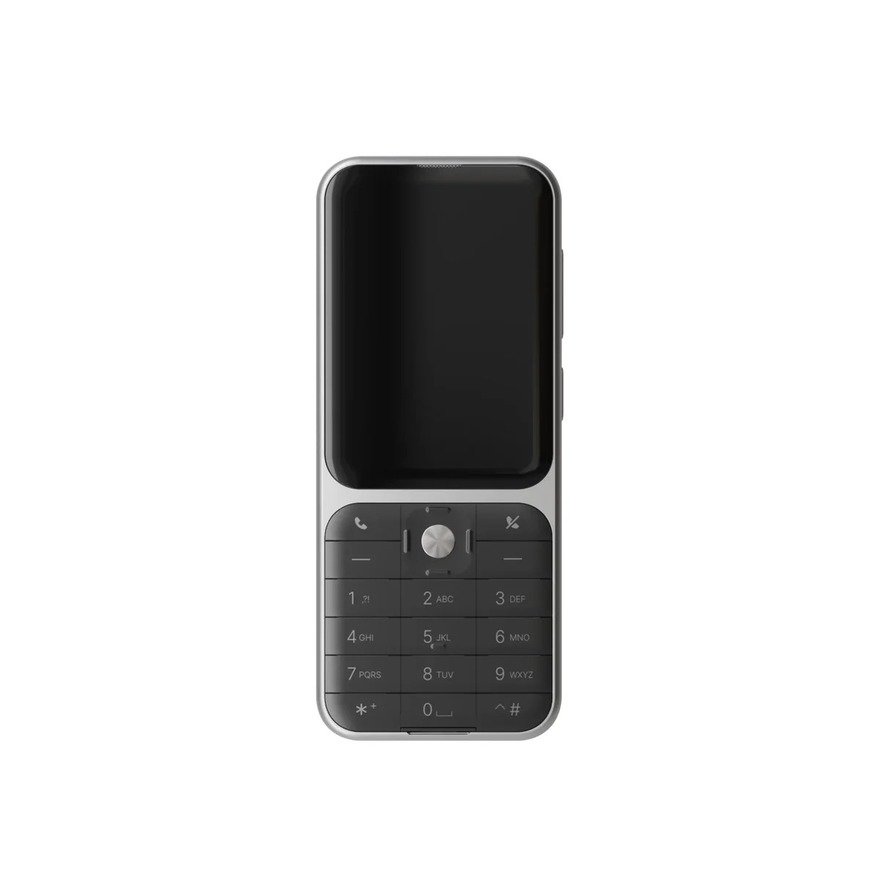
The calmer-phone category usually works by subtracting software. Side Technologies moved the decision into a component you hold in your hand.
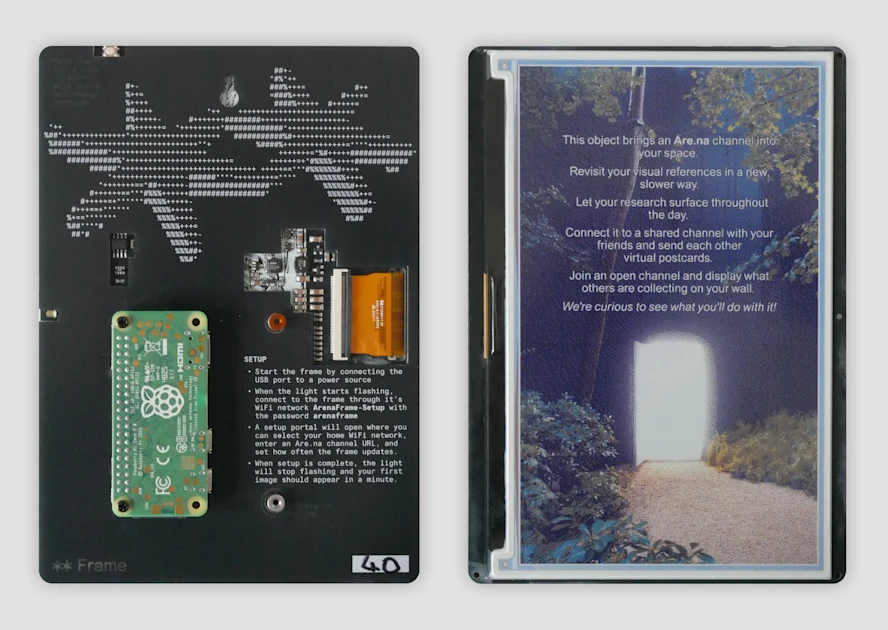
Six pigments, laid down one layer at a time, every time the picture changes. The delay is the part its designer wanted you to notice.

Camphor, saltpeter and sal ammoniac sealed in alcohol, growing crystals a Royal Navy admiral swore could read the coming storm. Science calls it a slow thermometer, and two centuries of windowsills have disagreed.
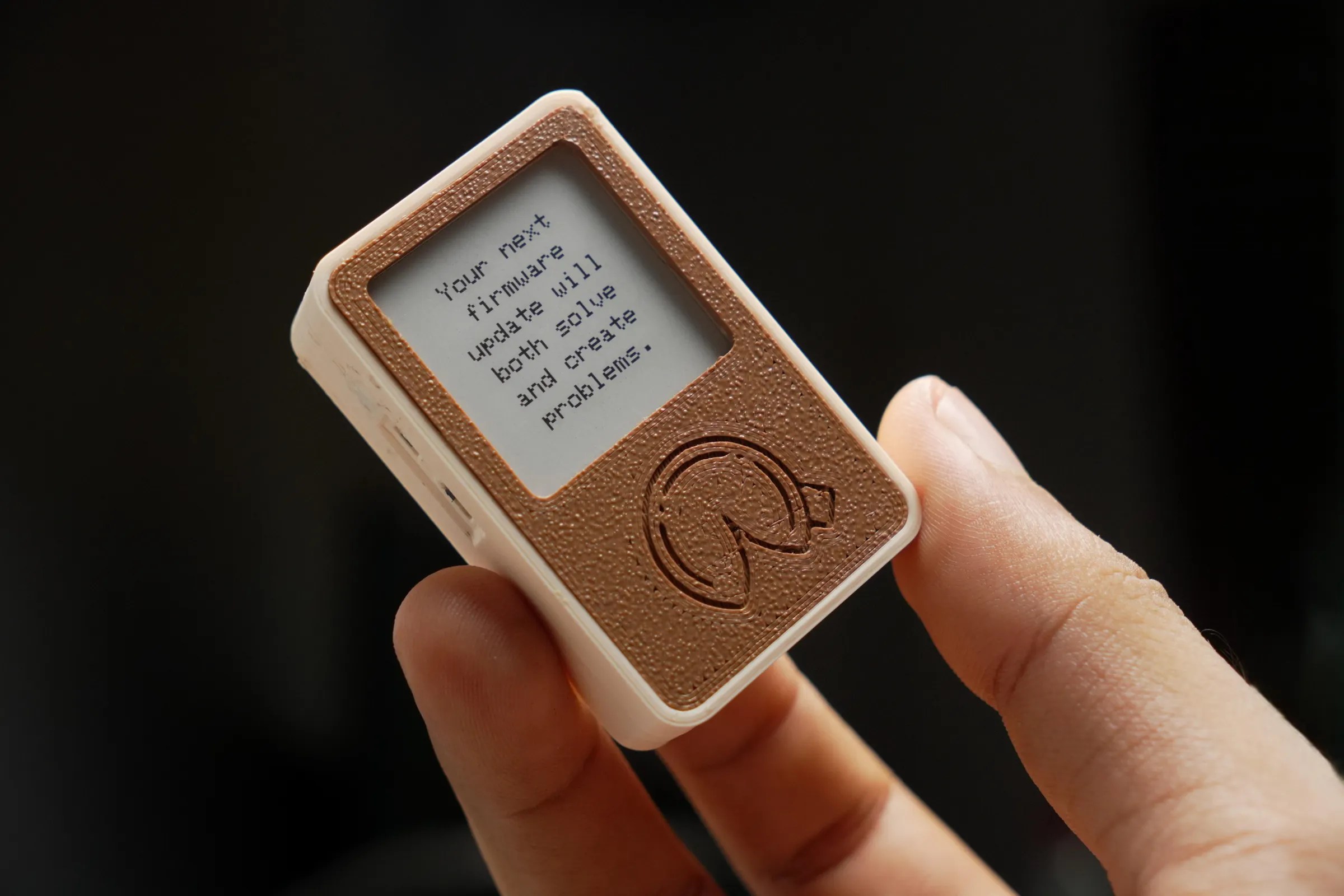
Three thousand answers, sealed on the board at build time, with no way to add a three-thousand-and-first. The ceiling is the design.

