They Needed Something to Hold the Wool Together. They Used Wool.
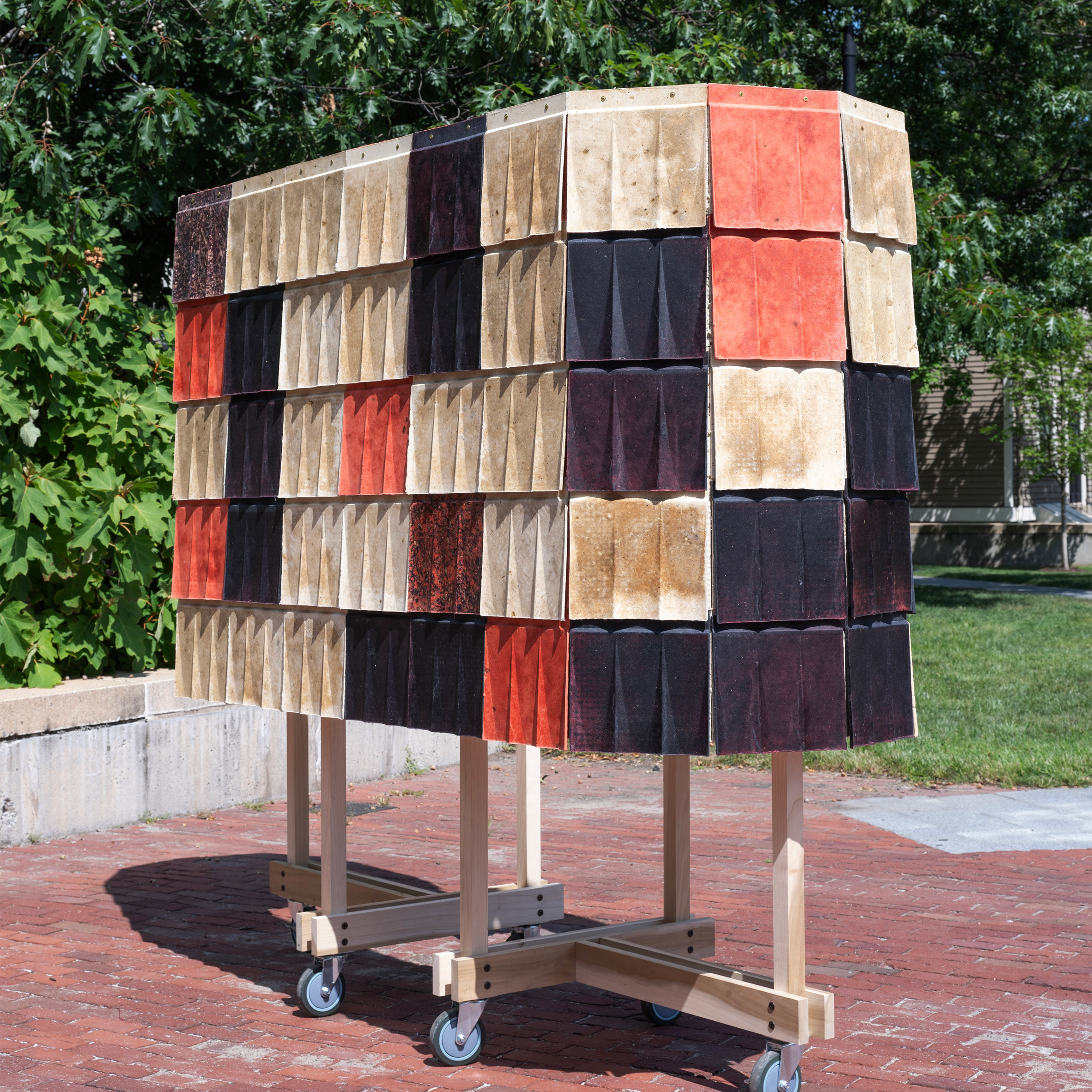
An alkaline bath, citric acid and heat turn fleece into its own glue. What comes out bolts to the outside of a wall nobody has to open up.
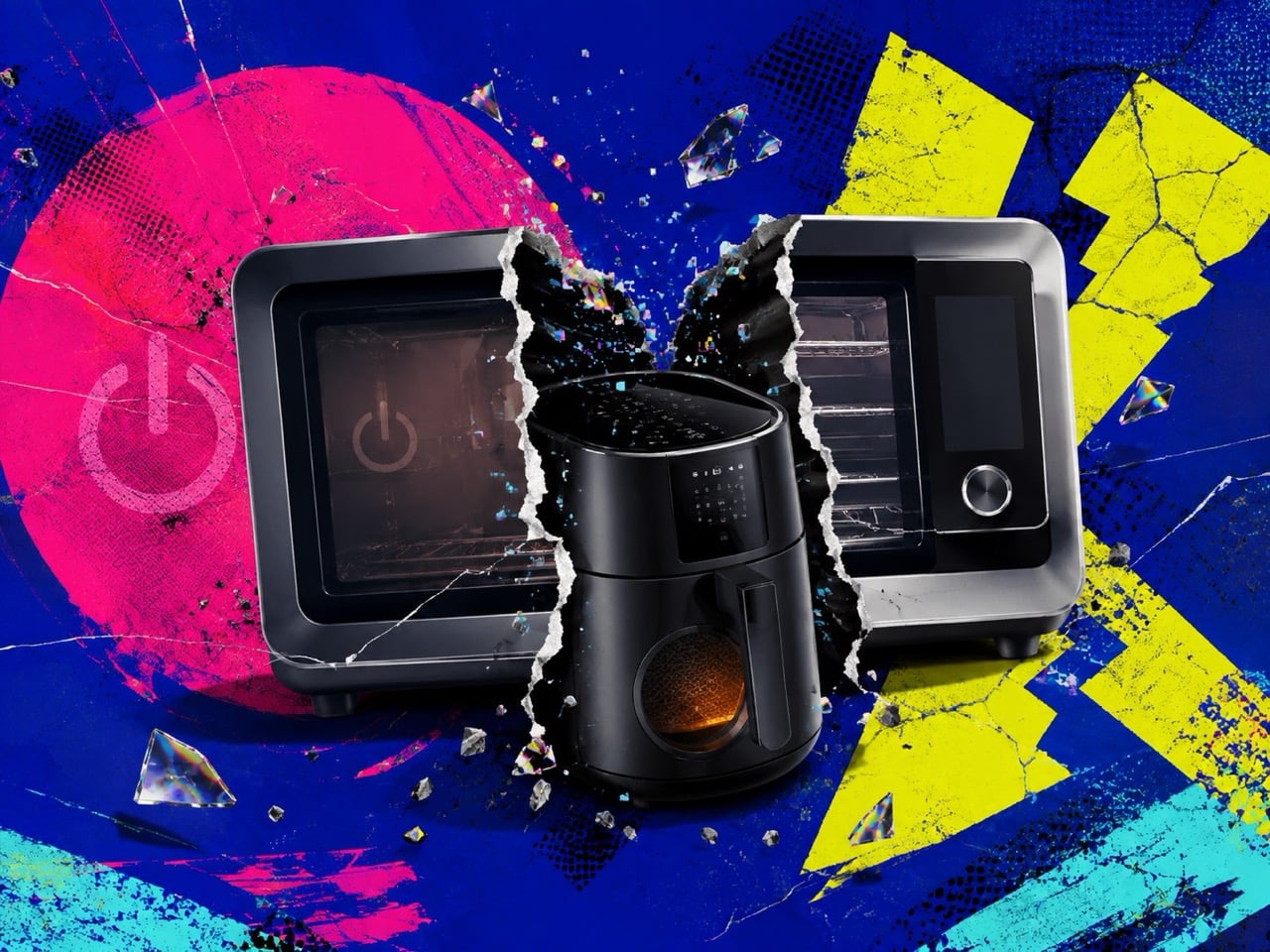
A petition is already circulating asking Weber for one last firmware update, the kind that would let owners keep the thing running themselves. The capability never got harder to build. It just got cheap enough that nobody bothers to protect it.
A serious AI lab spent its hardware budget on balance, a beak, and a get-back-up reflex. Five days later it had more orders than it can ship by Christmas.
Bandai's anniversary move was to take parts away: 116 down to 64, and the whole thing onto a finger. Three decades in, the appeal is still that it needs you.
Precision engineering, deployed to protect imperfection. Villeroy & Boch's glazing lab spent its effort making the human touch reproducible at factory scale.
Hiroshi Ishii's Tangible Media Group is building communication channels with the dead. Not AI chatbots. Antique objects that hold the physical traces of people who once touched them.
Delcy Morelos hand-built an earthen pavilion the length of a basketball court inside the Barbican's concrete Sculpture Court. The walls are clay, hay, and antifungal spice, made to live and breathe through the summer.
Back Market is running iPod Shuffle subway ads. TechCrunch just gave the friction-as-feature movement a name. The shift from maximum functionality to maximum well-being now has a market category.
At Columbia's 2026 MFA thesis show, an artist from the Iyarhe Nakoda Nation lists "my ancestor's stories" as a material, equal to wood and ribbon. The room fills with sound that knows where you are sitting, and refuses to be louder than that.
The thesis behind Gentle Future. Five design principles for the shift from tools that do more to objects that know when to stop.